
Reading Goals vs. Learning Systems
A quick heads-up: we've just launched the second session of our members' workshop, and this month we'll give you a complete guide to analytical reading for you to tackle any non-fiction book with ease!
(1) The Idea: What is a system?
If you slip into any productivity space on the internet, people will talk about systems until your ears bleed. I, for one, hated that term. It makes everything sound mechanical and pedantic, leading me to believe I need a system for everything.
But really, what is a system? Can we define it without using any fancy jargon and colourful diagrams? I think I found the answer yesterday while training for a karate grading.
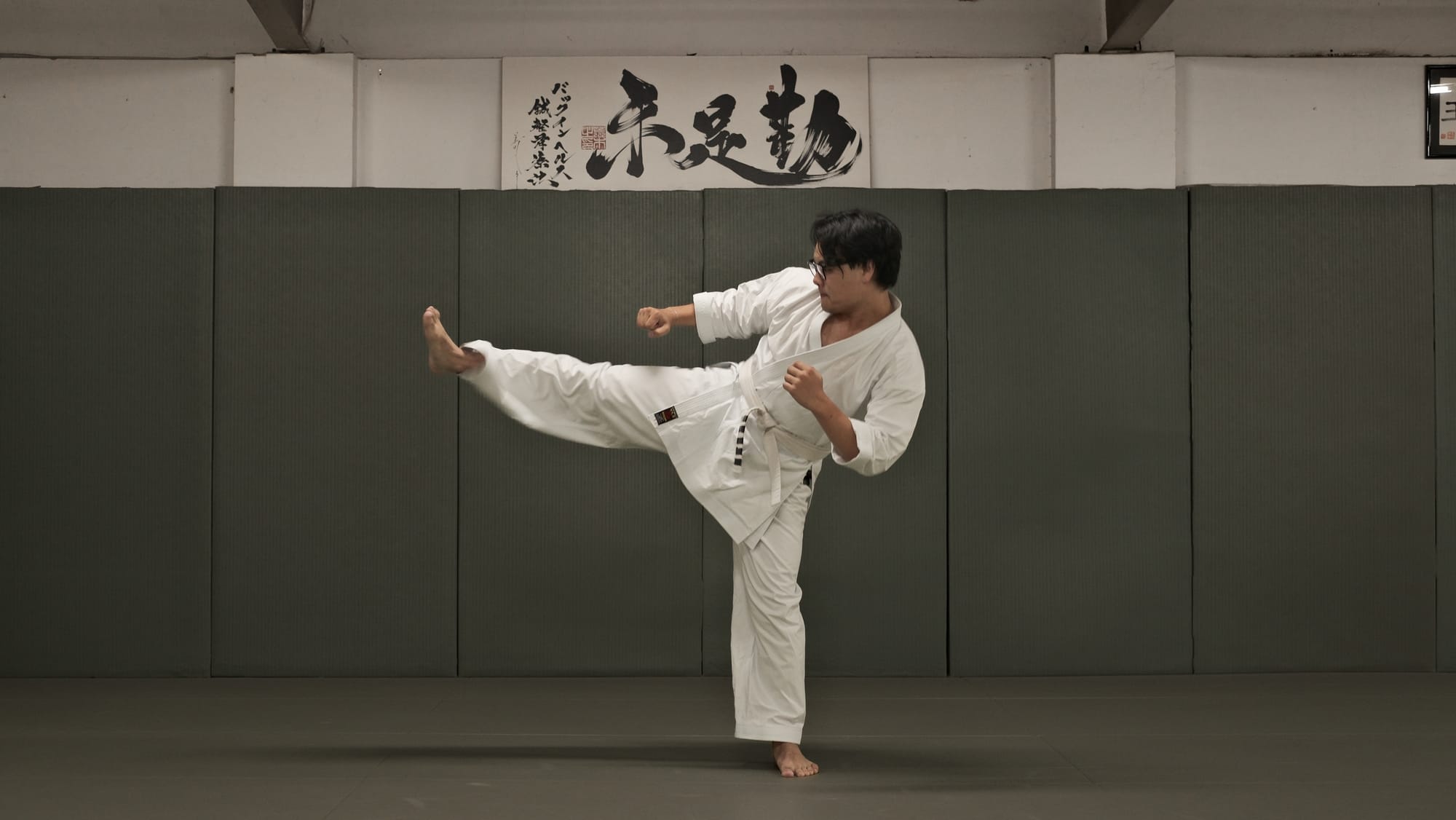
For context, the style of karate I practice (Goju-Ryu) consists of hard (Go) and soft (Ju) techniques. The hard techniques apply direct & linear force, whereas the soft techniques aim to redirect the opponent’s force through circular movements.
When I was working through the grading katas, I noticed that the hard techniques, though loud and snappy in a kata, were quite limited. They ended abruptly and left no space for me to work them into a combination. Whereas the soft techniques, though they looked like pointless dancing in a kata, were quite powerful because I could redistribute my energy into a more effective counterstrike during sparring.
And this is a useful analogy when we think about goals vs. systems:
Goals are hard techniques that start and end linearly. They look and sound impressive for a brief moment, but it’s hard to combine them with other aspects of our lives.
Whereas systems are like soft, circular techniques. Their function isn’t to reach an obvious end, but to redistribute our energy to improve different aspects of our lives gradually.
So, let’s apply this insight to our lifelong learning journeys.
Case 1: I want to read more
Goal: You can design a reading goal of 50 books a year, but once most people reach it, they’ll tend to fall off the wagon because the motivation dissipates once the goal is reached.
System: You can design a simple routine of reading 25 pages and pair it with an existing habit (e.g., drinking coffee). This redistributes your energy into a daily practice, and you aim to maintain it and let the results compound over time.
Case 2: I want to get fit
Goal: You can set a weight-loss goal, but again, your motivation will slip once you’ve reached that goal and put all the weight back on.
System: You put in a repeatable practice like going to a class 2x a week or shopping for healthy food on Thursdays. These practices aren’t designed to feel disruptive. They’re designed to redistribute your energy into a few changes to your lifestyle. The results will eventually compound, and getting fit/losing weight will come as a natural by-product.
This reframe is incredibly powerful in our goal-obsessed culture, and it applies to so many areas of our lives: self-education, fitness, health, relationships, etc. So, when in doubt, don’t jump into a goal when you want to make a change. Aim to redirect your energy into gradual improvement and let the result be a pleasant surprise.
And with that being said, here are some prompts to anchor them into action:
(2) The Prompts:
1: Take 3 goals you have for the new year and complete the prompt: I want to achieve ____ through __________. Don’t censor yourself and just be honest: what’s the first thing that comes to mind when you think about achieving something big?
2: Reframe goals into redirections: Notice that some of your strategies for getting what you want involve impressive goals. Now, take those goals and break them down into daily, sustainable routines. Think of them as redirecting some of your existing energy towards a long term practice and complete the prompt: If I put a bit of my time towards ______ every day, then in a year I’ll become ____________.
Subscribe to my newsletter to get the latest updates and news
Member discussion